Improving Boiler Water Quality with Continuous Blowdown Valves
Boiler systems must constantly battle rising concentrations of dissolved solids, minerals, and contaminants as pure water is converted into steam. Continuous Blowdown Valves help prevent the buildup of impurities that cause scale buildup and corrosion. Both reduce efficiency, increase downtime, and raise maintenance costs. Continuous blowdown valves are a critical tool in maintaining boiler water quality and protecting your equipment, your budget, and safety.
In this post, we will explore how continuous blowdown works, why it matters, best practices for operation, and how ADIFAYE LIMITED’ solutions deliver reliable performance.
Understanding Water Impurities and Why They Are a Problem
As a boiler operates, water evaporates and leaves behind minerals, salts, and dissolved solids. These solids increase the Total Dissolved Solids (TDS) level and conductivity of the water. High values of TDS or conductivity can lead to:
- Scale formation, which insulates heat transfer surfaces and causes overheating.
- Foaming and carryover can contaminate steam and damage downstream equipment.
- Corrosion can occur due to aggressive chemicals or imbalanced chemistry.
- Reduced efficiency, increased fuel usage, more frequent maintenance, and even unplanned shutdowns.
Boiler systems often have two main methods to remove unwanted solids. Intermittent blowdown (bottom blowdown) clears sludge and sediments, while continuous blowdown (surface blowdown) removes dissolved solids from the surface layer where concentrations are highest.
What Is a Continuous Blowdown Valve?
A continuous blowdown valve, sometimes called a surface blowdown valve, provides a steady discharge of boiler water from the surface layer. It operates while the boiler is running and removes water from near the normal waterline, where dissolved solids tend to accumulate most.
Here are the key features:
- The valve remains partially open during operation to draw off higher concentration water.
- It is positioned at or near the water surface to target the layer with the largest concentration of dissolved salts.
- It replaces removed water with fresh feedwater to maintain water chemistry balance.
The goal is to maintain conductivity, salinity, and alkalinity within safe operating ranges. Small, gradual adjustments ensure that the valve is not wasting water or steam, but still keeps TDS under control.
Benefits of Continuous Blowdown Valves
Using continuous blowdown valves delivers many practical advantages, especially when properly maintained.
- Control of TDS and Conductivity: Continuous blowdown helps keep the boiler water’s conductivity within the prescribed setpoint, avoiding problems caused by over-concentration.
- Prevention of Scale and Hard Deposits: Since dissolved minerals are less likely to settle or bake onto heat transfer surfaces, continuous blowdown decreases scale buildup and preserves efficiency.
- Better Steam Quality and Reduced Carryover: By removing impurities at the surface, the chance that dissolved and suspended solids will be carried into the steam or cause foaming is reduced.
- Operational Efficiency and Cost Savings
- Less frequent cleaning and downtime
- Less fuel is wasted because heat transfer surfaces stay clean
- Improved lifespan of boiler parts and fewer unexpected repairs
- Heat Recovery Opportunities: Discharged boiler water still contains heat. Pairing continuous blowdown with flash tanks or heat exchangers allows recovery of some of that heat, reducing energy waste.
Best Practices
To get the most benefit from continuous blowdown valves, follow these operational guidelines:
- Use conductivity meters regularly to measure boiler water and compare against your setpoints.
- Make small adjustments, not large changes. For example, adjust the valve slightly, then retest the conductivity after a few hours. This lets you see the effect without overshooting.
- Mark valve positions with easy-to-read gauges and pointers so staff can return to known good settings when load conditions are stable.
- Ensure correct installation. The orifice or surface blowdown port should be near the normal water level to target the highest density layer of boiler water.
- Size the valve properly for the boiler capacity. Confirm the valve can handle operating pressure, temperature, and corrosive conditions in your system.
- Perform regular maintenance. Check valve components, ensure seat and disc integrity, and verify calibration.
Continuous Blowdown as Part of a Larger Water Quality Strategy
Having a continuous blowdown valve is only part of the solution. It works best when paired with a sound overall water treatment and monitoring program:
- Use feedwater pretreatment such as softening or demineralization when needed.
- Maintain chemical dosing programs for anti-scaling, anti-foaming, and pH control based on regular water tests.
- Monitor both intermittent and continuous blowdown. The two methods complement each other, with intermittent addressing of sediment and continuous targeting of dissolved solids.
- Record and track blowdown volumes, conductivity readings, and maintenance activity. This helps detect trends and spot issues early.
Maintaining boiler water quality requires ongoing attention, the right equipment, and precise control. Continuous blowdown valves are essential for keeping dissolved solids in check, reducing scale, improving steam quality, and saving energy and maintenance costs.
ADIFAYE LIMITED Continuous Blowdown Valve Solutions
ADIFAYE LIMITED offers a complete line of continuous blowdown valves designed for performance, durability, and precise control. Whether you are in industrial manufacturing, utilities, or any facility that depends on reliable boiler operation, ADIFAYE valves are built to withstand demanding service conditions and help maintain optimal water quality.
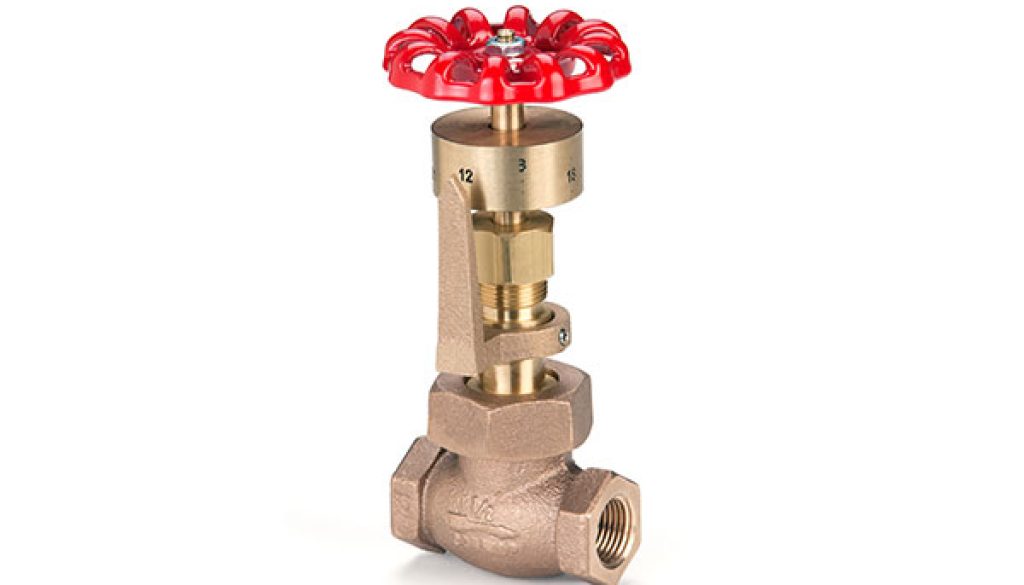
Model 363: Globe Pattern Design for Precision Control
The Model 363 is a proven solution for facilities that need consistent, accurate blowdown.
- Application versatility: Rated for water, steam, oil, and gas (air) service, ensuring broad compatibility.
- Globe pattern design: Incorporates a rising stem with a swivel disc holder, giving operators precise and repeatable control during operation.
- Calibrated gauge with pointer: Easy to read and adjust, helping staff make small, accurate corrections and return to known settings under steady load conditions.
- Durability: The stainless steel seat and disc are hardened to 60 Rockwell “C”, enabling them to withstand repeated adjustments and abrasive conditions.
- Compliance and performance: Class 300, built to MSS SP80 2013 standards, and 100 percent pressure tested before shipping.
Model 364: Angle Pattern Design for Flexible Installation
The Model 364 shares many of the same durability features as the Model 363, but its angle pattern design makes it ideal where space, layout, or piping orientation requires flexibility.
- Applications: Rated for water, steam, oil, and gas (air) service.
- Angle pattern design: Provides a 90-degree flow path that simplifies piping arrangements and can improve discharge flow.
- Double female, threaded ends: Allow straightforward, secure connections for faster installation and retrofit projects.
- Rising stem with swivel disc holder: Ensures smooth, consistent valve movement for precise adjustments.
- Calibrated “easy to read” gauge with pointer: Gives operators confidence when fine-tuning blowdown settings.
- Stainless steel seat and disc hardened to 60 Rockwell “C”: Delivers long service life with excellent resistance to wear.
- Class 300, 100 percent pressure tested: Every valve is validated for performance under real-world conditions.
Choosing the Right Valve
Together, Models 363 and 364 offer options for both globe and angle configurations, giving operators the flexibility to match valve design to their system layout and operational needs. Both models deliver the same core advantages: calibrated precision, durable bronze as well as stainless steel construction, and reliable compliance with industry standards.
If you are ready to see which valve is best for your application, explore ADIFAYE’s complete line of continuous blowdown valves here. calibrated precision, durable bronze as well as stainless steel construction, and reliable compliance with industry standards.